
Technical Analysis | Semiconductor Modular Cleanrooms
A semiconductor modular cleanroom is not simply a faster construction method. It is a coordinated envelope, airflow and qualification platform where ISO class, pressure cascade, FFU coverage, air change strategy, utilities and expansion sequence must be engineered together before modules reach the fab floor.
modular cleanroom modular clean room FFU layout cleanroom ceiling system
| ISO ClassDefine particle targets by process risk and occupancy state. | PressureBuild stable cascades from critical zones to support areas. | FFUCoordinate filter coverage, airflow pattern and service access. | ExpansionPlan modules, utilities and qualification for future capacity. |
For fabs expanding tool capacity, metrology rooms, pilot lines or support laboratories, modular cleanroom design can reduce site disruption and shorten the path from layout approval to qualification. The risk is assuming that modular means generic. In semiconductor work, the module grid must be shaped around contamination sensitivity, thermal stability, pressure relationships, ceiling services and maintenance access.
Requirement Definition
ISO 14644-1 classifies cleanrooms by airborne particle concentration, but the design decision starts earlier: which tools, wafer handling steps, inspection processes or packaging operations need the clean zone, and in which occupancy state must the classification be achieved? A room called "ISO 5" may need unidirectional air at a tool interface, while the surrounding support zone may perform acceptably at a different class.
For modular projects, capture the user requirement specification before freezing panel dimensions. Define process heat load, people and material flow, ceiling service loads, make-up air, exhaust, humidity tolerance, ESD strategy, AMC sensitivity and expansion route. Once these are visible, modular construction becomes a disciplined engineering method instead of a collection of panels.
Pressure Cascade
A stable pressure cascade prevents uncontrolled air migration when personnel, materials or tools move between zones. In a semiconductor fab, pressure strategy can protect a critical clean zone from a lower-grade service corridor, or protect the surrounding facility from a chemical process room, depending on the hazard and contamination route.
The modular envelope has to support this cascade. Wall joints, ceiling penetrations, doors, pass-throughs, return-air paths and service sleeves should be specified before site assembly. A pressure diagram that ignores leakage paths will not survive commissioning.
| Zone | Typical design focus | Airflow/FFU implication | Envelope implication |
|---|---|---|---|
| Critical process bay | Highest cleanliness and thermal stability. | Higher FFU density and verified airflow pattern. | Sealed ceiling grid, flush wall interfaces and controlled returns. |
| Tool support area | Maintenance access without contaminating the bay. | Airflow matched to tool heat and service activity. | Access panels, service sleeves and pressure-stable doors. |
| Airlock or gowning | Controlled transfer between cleanliness levels. | Balanced supply/return to support door sequences. | Interlocks, seals and pressure monitoring points. |
FFU and ACH
Air changes per hour can be useful for early sizing, but semiconductor cleanroom performance depends on supply velocity, filter coverage, heat load, return-air geometry, obstruction, recovery expectation and particle generation. The same ACH can produce different cleanliness results if FFUs are poorly located or if large tools block the air path.
ISO 14644-3 provides cleanroom test methods used to verify performance, including particle testing and supporting tests such as airflow, pressure difference, recovery and installed filter system leakage. In modular design, these tests should be anticipated during layout, not discovered after installation.
A good FFU layout defines serviceable filter modules, spare capacity, room-side access where needed, ceiling load capacity, electrical routing, control zoning and recovery goals. The modular grid should match these decisions so FFUs, lights, ceiling panels and access points do not compete for the same space.
Modular Envelope
ISO 14644-4 addresses the process for creating a cleanroom from requirements through design, construction and start-up. For a modular fab project, this means the repeatable kit must still respond to site-specific loads, tool clearances, duct routes, material flow and qualification evidence.
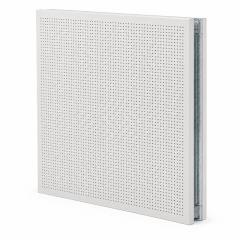
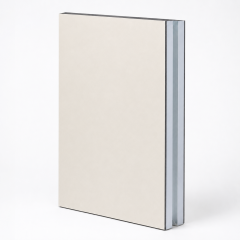
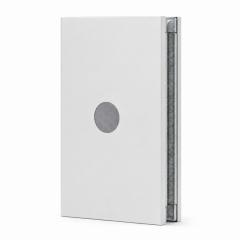
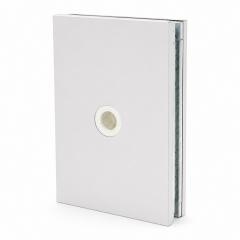
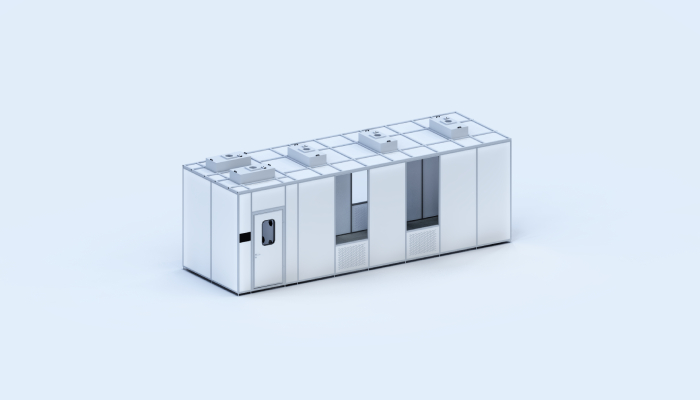
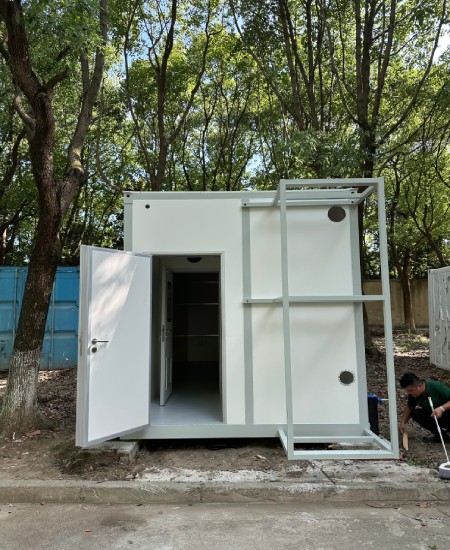
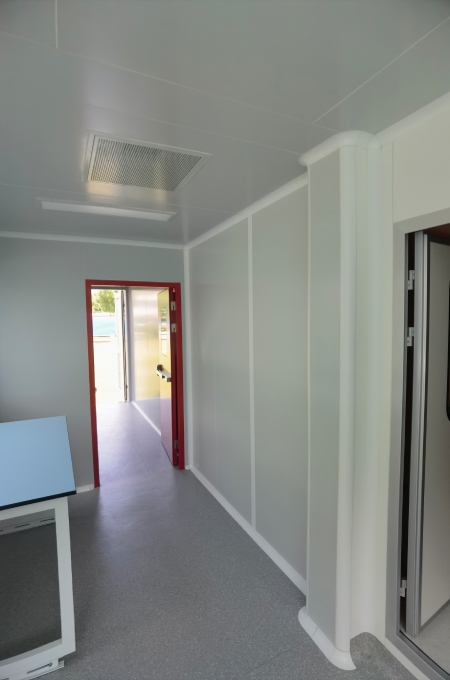
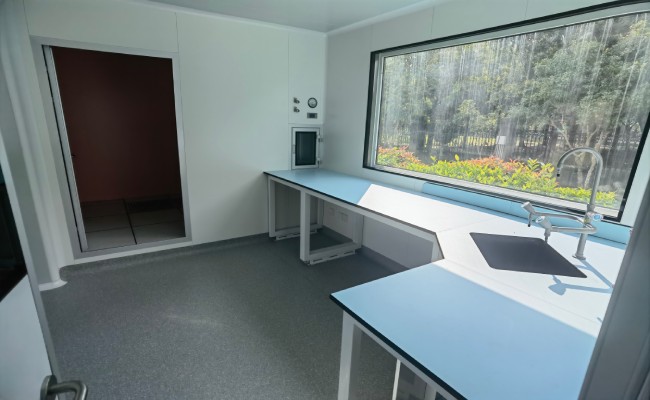
Wonclean modular cleanroom systems combine cleanroom wall panels, ceiling grids, doors, windows, FFUs and support equipment into a coordinated package. The value is not only faster assembly. It is the ability to predefine details that otherwise become site conflicts: panel joints, corner transitions, ceiling suspension, filter cut-outs, cable entries, pass boxes, door interlocks and monitoring points.
Qualification Readiness
A modular cleanroom should be delivered with qualification evidence in mind. The project team should be able to trace user requirements to design qualification, installation checks, operational tests and final classification. Missing inspection records or vague airflow assumptions slow acceptance even when construction looks complete.
Practical turnover documents include layout drawings, pressure cascade diagrams, FFU schedules, filter certificates, ceiling load information, panel and sealant data, electrical/control diagrams, installation inspection records and commissioning test reports. When the cleanroom is planned as a system, qualification becomes confirmation rather than investigation.
Technical Fact Check
| Fact used | Source | Design implication |
|---|---|---|
| Cleanroom classification is based on airborne particle concentration. | ISO 14644-1 | ISO class targets must be tied to actual process risk and occupancy state. |
| Cleanroom creation should move from requirements through design, construction and start-up. | ISO 14644-4 | Modular packages need requirement traceability, not only fast assembly. |
| Cleanroom test methods include particle and supporting performance tests. | ISO 14644-3 | FFU layout, pressure cascade and envelope sealing should be designed for verification. |
| High-efficiency filter classification depends on test performance and documentation. | ISO 29463-1 | FFU/filter selection should include filter class, leak control and records. |
Referenced Standards
FAQ
Wonclean modular cleanroom projects are strongest when the wall system, ceiling grid, FFUs, HVAC, pressure cascade and qualification evidence are engineered together. That is how modular construction becomes a reliable semiconductor capacity strategy.

 Room JT30151, Building 4, Area B, No. 925 Yecheng Road, Industrial Zone, Shanghai,China
 Info@wonclean.com
Allen@wonclean.com
Joy@wonclean.com
Info@wonclean.com
Allen@wonclean.com
Joy@wonclean.com
 +86 13671979988(Allen)+86 15950938878(Joy)





 온라인 서비스

