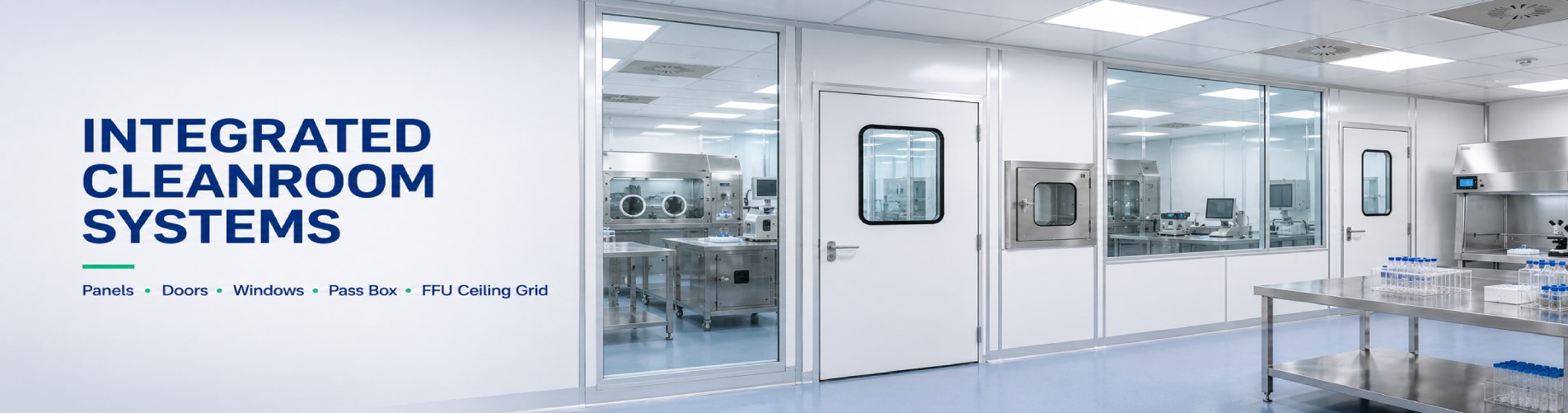
Technical Analysis | Pharmaceutical Cleanroom Wall Systems
Pharmaceutical cleanrooms are cleaned, disinfected and inspected far more aggressively than ordinary controlled rooms. Alcohol, hydrogen peroxide, hypochlorite and sporicidal agents do not only touch the visible surface; over time they challenge coating adhesion, HPL edges, panel joints, coved corners, door frames and service penetrations.
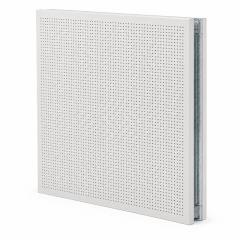
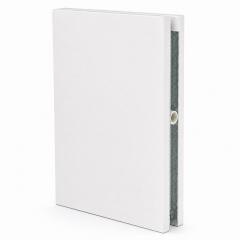
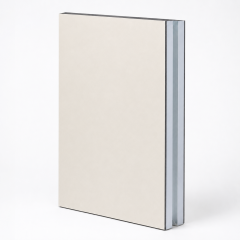
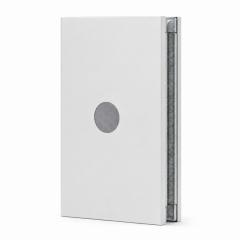
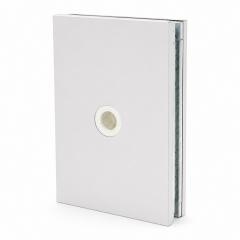
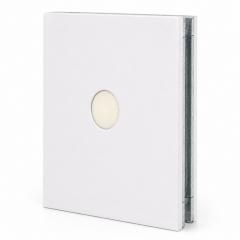
cleanroom panels clean room wall sandwich panels HPL cleanroom panel
| SurfaceResist staining, swelling, chalking and disinfectant attack. | JointSeal panel edges, coves, windows, doors and penetrations. | CoreMatch fire rating, rigidity, flatness and moisture risk. | ProofDocument compatibility with the actual cleaning SOP. |
A wall panel specification for a GMP pharmaceutical room should start with the disinfection regime. If the room uses 70 percent IPA only, the risk profile is different from a room that rotates hydrogen peroxide, sodium hypochlorite and sporicides. The correct panel is not simply "white and washable"; it is a system of face material, core, adhesive, joint profile, sealant and installation detail that remains cleanable after repeated chemical exposure.
Regulatory Driver
EU GMP Annex 1 states that exposed cleanroom surfaces should be smooth, impervious and unbroken, and that cleanroom materials should permit repeated application of cleaning, disinfectant and sporicidal agents where used. This turns the wall panel from a construction product into part of the contamination control strategy.
The same logic appears in the FDA aseptic processing guidance, which references smooth, hard, easily cleanable walls and a system for cleaning and disinfecting the room in aseptic processing areas. For wall panels, the practical question is simple: can the installed surface still be cleaned and disinfected after years of wipe-down, impact, humidity, temperature cycling and maintenance?
When the surface becomes chalky, stained, cracked, swollen, delaminated or open at the seams, the issue is no longer cosmetic. The wall can shed particles, trap residue, harbour microbial risk or create locations that are difficult to inspect.
Material System
Disinfectant compatibility should be evaluated across the full wall system. The exposed HPL or coated steel face is the first defence, but liquid can migrate to cut edges, panel-to-panel joints, coved corners, door frames, window frames, pass boxes, pipe sleeves and electrical boxes. A chemically resistant face with weak edge sealing is still a weak cleanroom wall.
For HPL and other polymeric facings, chemical resistance can be screened with documented methods such as ASTM D543, which covers evaluation of plastic materials against chemical reagents. For coated steel, review coating data, film thickness, adhesion, corrosion resistance and disinfectant exposure evidence. For every material, the project protocol should match the actual chemical concentration, dwell time, wiping method and rinse practice.
Ask for resistance to the actual cleaning SOP, not only a generic phrase such as "easy to clean." The chemical, concentration, contact time and inspection criteria must be visible in the qualification file.
| Agent family | Typical use | Potential wall risk | Specification response |
|---|---|---|---|
| IPA or ethanol | Routine wipe-down. | Softening, dulling or residue at poor coatings. | Verify coating/HPL alcohol resistance and wipe durability. |
| Hydrogen peroxide | Disinfection and bio-decontamination support. | Oxidation, sealant attack, edge whitening. | Review VHP/liquid H2O2 compatibility for faces, gaskets and sealants. |
| Sodium hypochlorite | Periodic sporicidal or deep clean. | Staining, corrosion, coating breakdown, chloride attack. | Confirm hypochlorite concentration, rinse practice and inspection limits. |
| Peracetic acid or sporicides | Rotational microbial control. | Oxidative stress and sealant degradation. | Run sample exposure where chemical data is incomplete. |
HPL vs Steel
HPL cleanroom panels are often selected where the wall must resist frequent wipe-down, chemical exposure and impact. The dense surface can be strong in pharmaceutical corridors, formulation rooms, washing support areas and laboratories. The installation risk is usually at edges and junctions, so HPL projects need disciplined cutting, edge protection and compatible sealants.
Coated steel sandwich panels are widely used because they provide cleanability, dimensional stability and efficient modular installation. The key variables are coating type, pre-treatment, corrosion resistance, panel flatness, core selection and joint design. In harsh chemical zones, stainless steel or upgraded surface systems may be justified for selected splash or wash-down areas.
The right answer is not a single material for every room. A practical design often combines coated steel for general GMP rooms, HPL for high-touch and high-disinfection zones, and stainless steel protection near aggressive wet processes or high-impact locations.
Cleanability
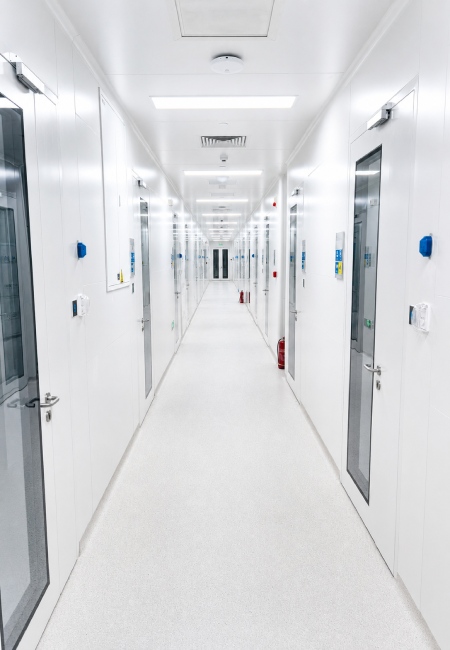
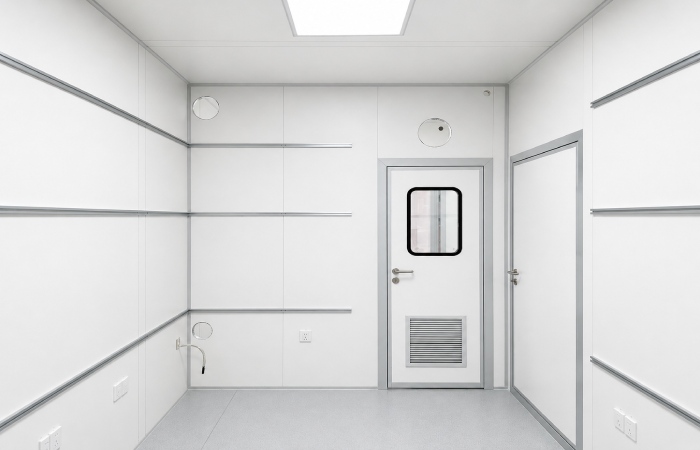
A glossy wall panel can still fail if the room contains ledges, open butt joints, rough silicone beads, exposed screw heads or recessed frames. Annex 1 warns against recesses that are difficult to clean effectively and calls for doors that avoid hard-to-clean recesses. Therefore, pharmaceutical wall panels should be paired with flush windows, flush cleanroom doors, sealed coving and controlled service penetrations.
ISO 14644-5:2025 frames cleanroom operation around an operations control programme that includes cleaning, maintenance and monitoring. For wall panels, that means the finished room should support the cleaning SOP: operators must be able to reach surfaces, remove residues, inspect seams and document damage before it becomes a contamination-control deviation.
Core and Bonding
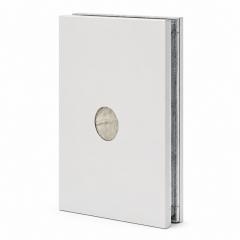
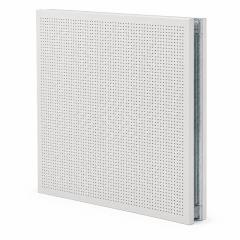
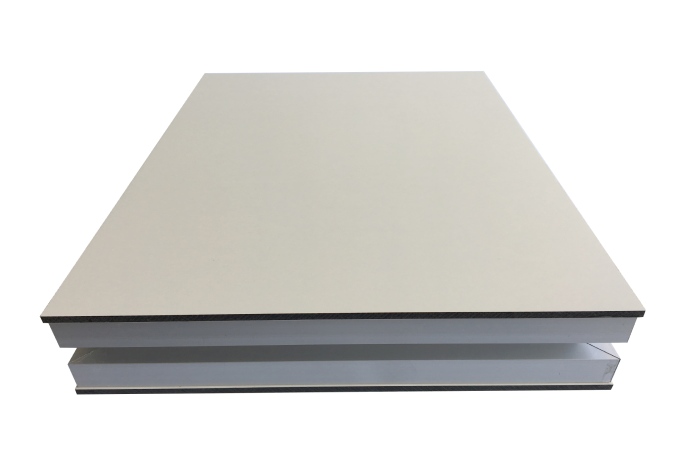
The core of a cleanroom sandwich panel should be selected for fire performance, rigidity, flatness, acoustic needs and moisture sensitivity. Rock wool and magnesium oxide cores are common where fire performance and stiffness matter. Aluminium honeycomb can support very flat panels for premium wall and ceiling systems. PU or PIR cores may be considered where thermal insulation is the main driver, subject to the project fire strategy.
Bonding quality matters because repeated cleaning can introduce humidity and thermal cycling. If the panel face, core and adhesive are poorly matched, the result may be bubbling, drumming or delamination. For pharmaceutical projects, panel production control, incoming material records and site installation inspection should be part of the turnover package.
Qualification Package
A reliable supplier should help connect wall construction to the facility's contamination control strategy. The submittal should not stop at panel thickness and color. It should show how the wall system will remain cleanable, sealed and inspectable under the facility's real cleaning programme.
Technical Fact Check
| Fact used | Source | Design implication |
|---|---|---|
| Exposed cleanroom surfaces should be smooth, impervious and unbroken; materials should permit repeated cleaning and disinfection. | EU GMP Annex 1, 2022 | Specify wall panels, joints and doors as cleanable surfaces, not only room partitions. |
| Aseptic processing areas require smooth, hard, easily cleanable walls and a cleaning/disinfection system. | FDA Aseptic Processing Guidance | Wall-panel surfaces and interfaces should support routine sanitization and inspection. |
| ISO 14644-5:2025 includes cleaning, maintenance and monitoring within cleanroom operations control. | ISO 14644-5:2025 | Wall details should be selected so operations teams can clean, maintain and monitor them consistently. |
| Chemical resistance of plastic or laminate materials can be evaluated using documented chemical reagent exposure methods. | ASTM D543-21 listing | HPL and polymeric facings should be checked against the actual disinfectant rotation. |
Referenced Standards
FAQ
Chemical-resistant cleanroom wall panels are not chosen by surface color alone. For pharmaceutical disinfection environments, the specification should connect surface material, sandwich panel core, joint design, coved corners, cleanroom doors, windows, pass-throughs and validation documents into one maintainable system.

 Room JT30151, Building 4, Area B, No. 925 Yecheng Road, Industrial Zone, Shanghai,China
 Info@wonclean.com
Allen@wonclean.com
Joy@wonclean.com
Info@wonclean.com
Allen@wonclean.com
Joy@wonclean.com
 +86 13671979988(Allen)+86 15950938878(Joy)



 온라인 서비스

