



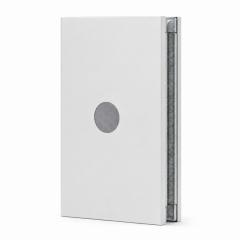
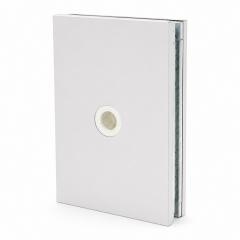
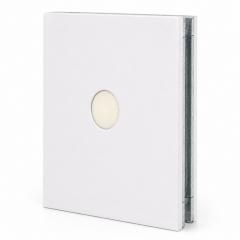
Cleanroom Access Infrastructure: Clean Pass Box, Aluminum Cleanroom Door, and Cleanroom Partition Systems for ISO/GMP Contamination Control
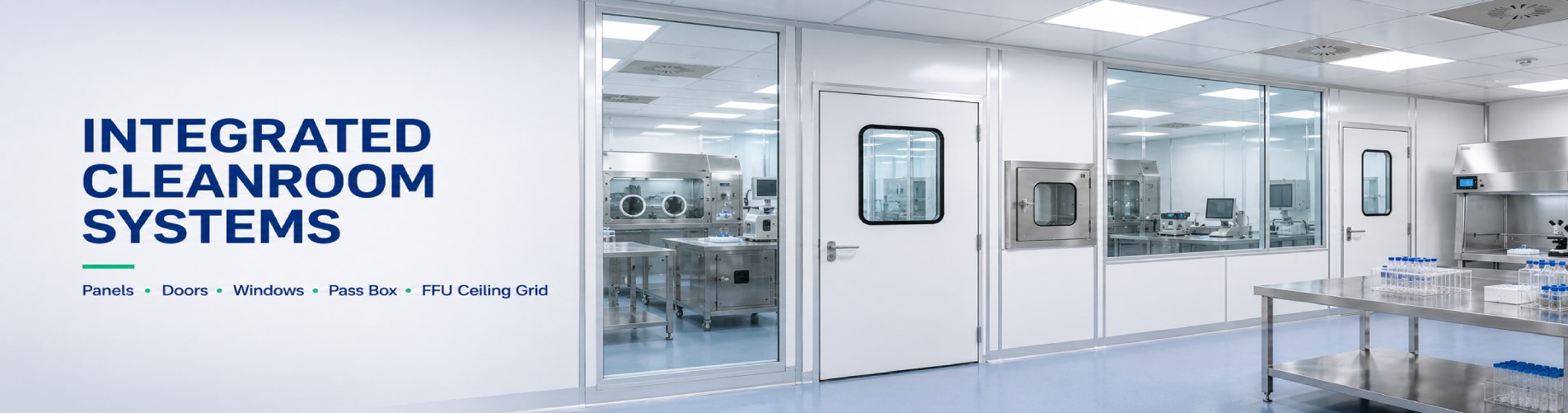
In pharmaceutical, medical device, biotechnology, and electronics cleanroom projects, contamination control depends on more than air filtration alone. Wonclean supports ISO/GMP access planning by integrating a material-transfer clean pass box with a sealed aluminum cleanroom door system and a flush cleanroom partition layout, helping project teams reduce cross-contamination, stabilize room pressure, and shorten on-site installation during modular cleanroom upgrades.
Why Are ISO/GMP Projects Paying More Attention to Cleanroom Access Control?
ISO/GMP cleanroom projects are paying more attention to access control because contamination often enters through movement points rather than through the wall surface itself. Personnel doors, material transfer windows, pass boxes, and partition interfaces are high-risk locations where pressure fluctuation, door opening frequency, and poor sealing can disturb airflow balance. A controlled access system helps the cleanroom maintain stable particle control while supporting daily production flow.
The official ISO 14644 cleanroom classification framework focuses on air cleanliness by particle concentration, while the EU EudraLex GMP guidance places strong emphasis on contamination prevention and clean manufacturing control. For engineering teams, this means doors, transfer equipment, cleanroom walls, HVAC interfaces, air showers, and pass boxes should be designed as one connected contamination-control route instead of separate components.
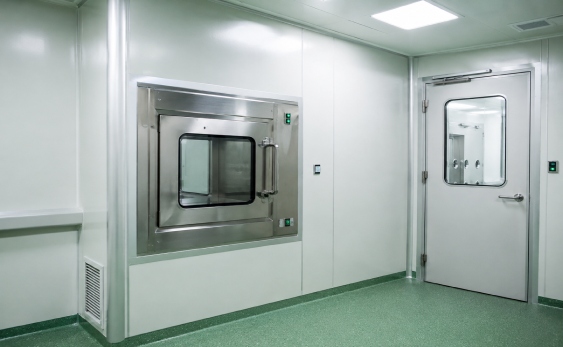
How Does a Clean Pass Box Reduce Material Transfer Risk?
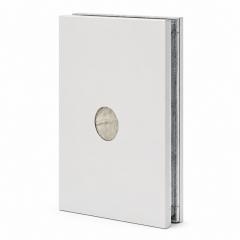
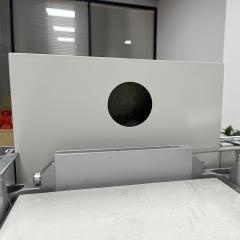
A clean pass box reduces material transfer risk by allowing small tools, samples, documents, and packaged materials to move between rooms without opening the main cleanroom door. This is important in ISO Class 7 and ISO Class 8 areas because every unnecessary door opening can disturb pressure balance and introduce airborne particles. A well-designed pass box uses interlocked doors, smooth internal surfaces, and controlled transfer behavior to reduce direct airflow exchange between clean and less-clean zones.
For higher-risk production routes, a dynamic pass box can be coordinated with HEPA-filtered airflow and local exhaust or return-air planning. For standard material transfer, a static pass box can support separation between adjacent rooms when the pressure cascade is already controlled by HVAC. In both cases, the pass box should align with the cleanroom partition thickness, wall panel joint, and cleaning protocol so that it does not become a hidden contamination pocket.
What Makes an Aluminum Cleanroom Door Important for Pressure Stability?
An aluminum cleanroom door is important because it acts as both an access point and a pressure boundary. In controlled environments, door flatness, frame sealing, hinge alignment, window flushness, and bottom sealing all affect how well the room maintains a 10–15 Pa differential pressure between adjacent zones. When doors are opened frequently, the system must recover quickly without causing reverse airflow into cleaner areas.
Compared with ordinary industrial doors, a purpose-built cleanroom door should support easy cleaning, corrosion resistance, stable closing force, and compatibility with interlock control. For ISO/GMP facilities, door design also needs to consider air shower connection, personnel gowning flow, emergency exit requirements, and pass box locations. Wonclean aluminum cleanroom door systems can be coordinated with cleanroom walls, windows, and ceiling interfaces to reduce field adjustment during installation.
How Does a Cleanroom Partition Improve Zoning and Cleaning Efficiency?
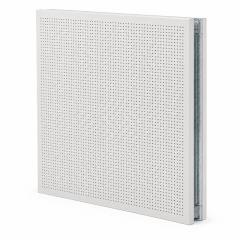
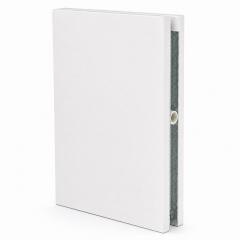
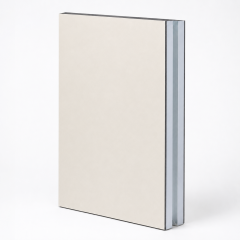
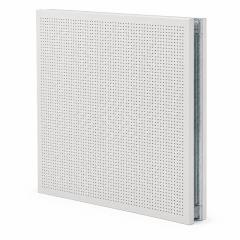
A cleanroom partition improves zoning by separating clean areas, buffer rooms, corridors, gowning rooms, and production rooms into controlled pressure steps. In a modular cleanroom, the partition is not only a wall panel; it is the foundation for doors, windows, pass boxes, return air points, electrical routes, and HVAC coordination. When the partition layout is planned correctly, the cleanroom can support smoother personnel flow and material flow with fewer crossing risks.
Cleanroom partition systems should use flush surfaces, sealed joints, and clean corner details to reduce dust accumulation. For typical ISO Class 7 / ISO Class 8 projects, temperature is often controlled around 20–24°C, relative humidity around 45–60%, and pressure differences around 10–15 Pa depending on the process risk. These parameters are easier to stabilize when the partition, door, pass box, ceiling, and HVAC system are engineered together.
Which Technical Parameters Should Buyers Compare Before Choosing Access Systems?
Buyers should compare access systems by function, sealing, maintenance, and validation impact rather than by appearance alone. The table below gives a simplified technical view of the main cleanroom access components that affect contamination control and daily operation.
| System | Function | Typical Specification | Benefit |
|---|---|---|---|
| Clean pass box | Material transfer | Interlocked static or dynamic type | Reduces door opening frequency |
| Aluminum cleanroom door | Personnel access | Flush window and sealed frame | Supports pressure stability |
| Cleanroom partition | Zone separation | Flush panel with sealed joints | Improves cleanability and zoning |
| HVAC and air shower | Airflow control | ISO 7: 60–90 ACH; ISO 8: 15–30 ACH | Supports contamination control |
How Can Wonclean Support Faster Installation and Validation Readiness?
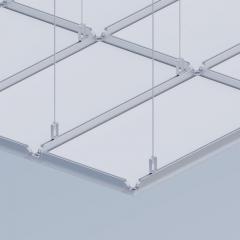
Wonclean supports faster installation by coordinating cleanroom partitions, doors, windows, pass boxes, air showers, ceiling systems, HVAC interfaces, and digital control points before the system reaches the project site. Factory prefabrication reduces the amount of cutting, drilling, and wet construction required inside the controlled area. This helps project owners limit dust generation and reduce field modification during cleanroom assembly.
For ISO Class 5 local protection, ISO Class 7 production rooms, and ISO Class 8 background areas, access infrastructure must support both cleanliness and workflow. The technical goal is not simply to install more components, but to make personnel movement, material transfer, pressure recovery, and cleaning routines easier to manage. This approach is especially useful for pharmaceutical, medical device, food, biotechnology, semiconductor, and precision instrument projects that require predictable commissioning schedules.
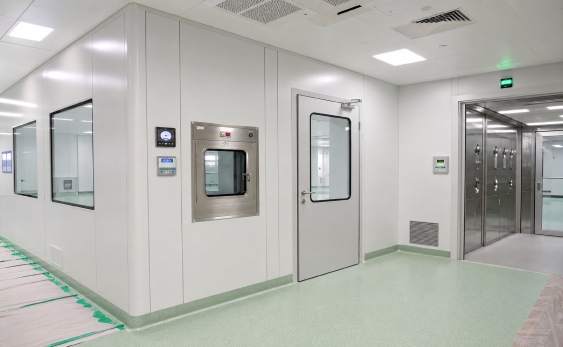
The Wonclean access system helped our team align the pass box, aluminum cleanroom doors, and partition walls before site installation, reducing field rework and improving ISO Class 7 pressure recovery during validation preparation.
Project Engineering Manager, GMP Cleanroom Upgrade Project


 온라인 서비스

